Loans with bad credit
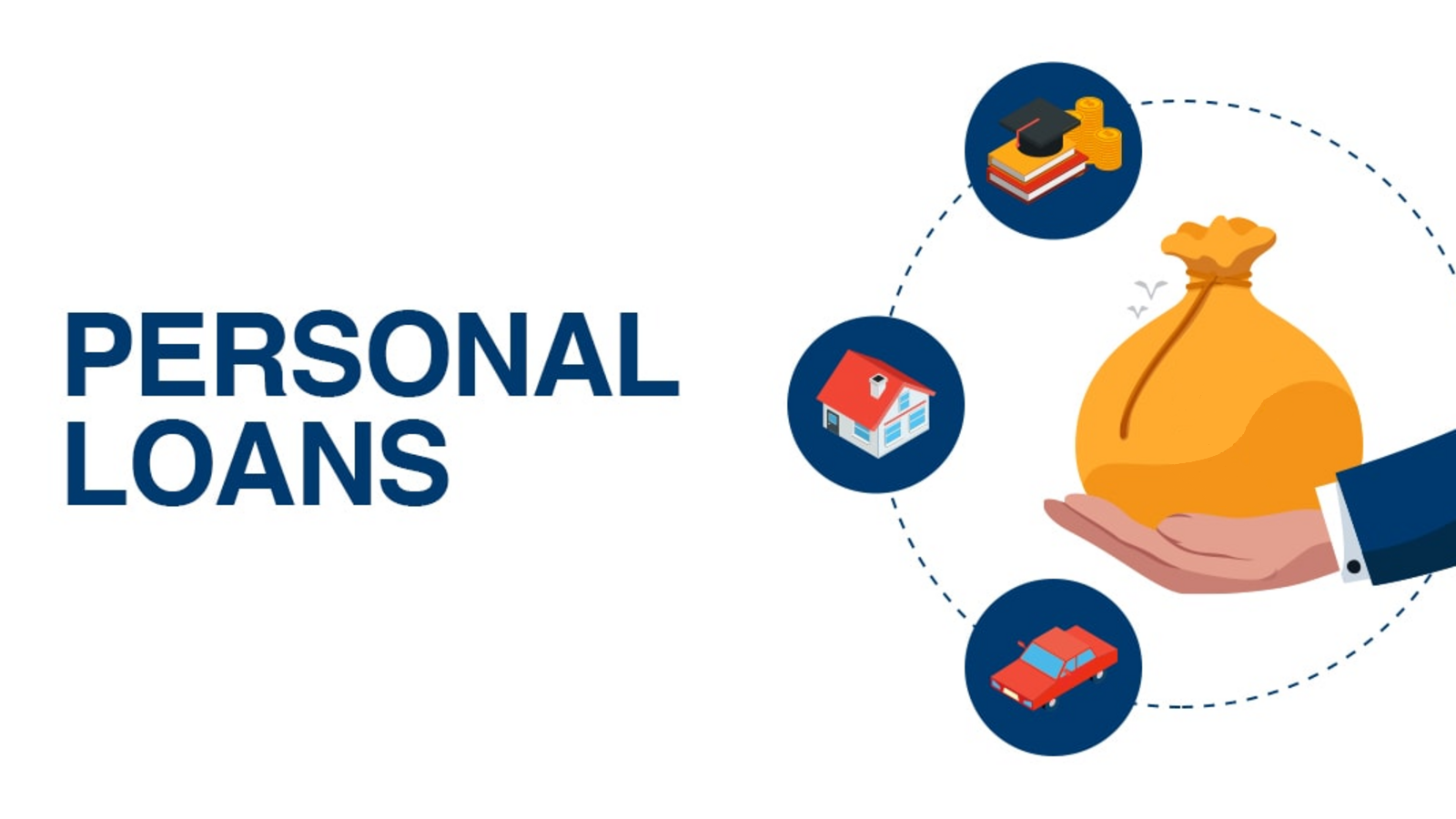

If your credit history isn’t ideal and you're searching for secure loan options, consider credit unions as a potential first step. Unlike traditional banks, many credit unions often consider factors beyond just credit scores. Their personalized approach can sometimes result in more flexible terms and competitive rates, making it easier for those with less-than-perfect credit to secure a loan.
Another route is exploring secured loans, where your assets such as a car or savings account serve as collateral. This additional security often leads lenders to offer loans even when your credit score is below the most desirable level. With secured loans, consistently timely payments can gradually rebuild your credit score, opening doors to improved financial opportunities in the future.
Consider researching peer-to-peer lending platforms, which connect borrowers directly with individual lenders, sidestepping traditional financial institutions. These platforms often have different criteria, assessing the overall financial picture rather than focusing solely on the credit score. While the interest rates may vary, this approach allows more personalized negotiation, potentially leading to more favorable conditions for those with poor credit history.
Finally, look into loan services that offer the ability to include co-signers. A co-signer with a healthy credit record can bolster your application, providing the lender with assurance and often resulting in improved terms. While this option involves shared responsibility, it opens up significant avenues for securing a necessary loan with more appealing terms.
Understanding How Credit Scores Affect Lending Options
Start by obtaining a free copy of your credit report. This reveals your credit score and helps you identify areas for improvement. A higher credit score expands your options and secures better loan terms. If your score is low, focus on timely payments and reducing outstanding debts.
The Impact of Different Credit Score Ranges
Credit scores typically range from 300 to 850. Scores above 700 are considered good and allow access to most loan products. Scores under 600 generally require you to explore specialized loans, often with higher interest rates. Lenders perceive lower scores as a higher risk, leading to more restrictive terms. Understanding where your score falls helps you strategize accordingly.
Exploring secured loans can be beneficial if your credit history has taken a few hits. These loans require collateral, reducing the lender's risk and potentially offering a more favorable interest rate. Nevertheless, always evaluate whether you can meet the terms to avoid losing the asset.
Steps to Enhance Your Lending Potential
Besides checking your report, initiate steps to improve your score. Settle any overdue amounts and maintain low balances on revolving credit accounts. Additionally, verify that all information on your credit report is accurate. Errors can unjustly lower your score, so dispute inaccuracies with the credit bureau for rectification.
Using a credit monitoring service can offer alerts and updates, providing informed decisions on handling financial matters. As you work on raising your score, patiently assess your loan options, focusing on those that align with your current credit standing and financial goals.
Exploring Lenders that Specialize in Bad Credit Loans
Seek out online lenders dedicated to assisting individuals with poor credit. Platforms like Avant and OneMain Financial offer tailored loans with flexible repayment terms specifically for those with low credit scores. These lenders assess more than just your credit score, considering factors like income and employment stability, enhancing your chances of approval.
Consider credit unions as a valuable alternative. They often provide more lenient loan terms compared to traditional banks, focusing on your overall financial situation rather than solely your credit history. Membership can sometimes open doors to better loan terms and personalized financial advice.
- Research peer-to-peer lending platforms such as LendingClub or Prosper. These platforms offer loans by connecting borrowers directly with investors, potentially increasing access to favorable rates and terms for those with imperfect credit histories.
- Investigate community banks and local financial institutions where personal relationships and community ties may lead to more understanding loan processes and conditions.
To maximize your chances of securing a loan, gather comprehensive documentation of your financial status. This includes pay stubs, bank statements, and any evidence of recent financial improvement. Presenting a clear picture of your current financial health can positively influence a lender's decision.
Engage with lenders offering pre-approval processes. This step can help determine potential loan terms without affecting your credit score, allowing you to explore options risk-free. By thoroughly understanding these tailored loan solutions, you can find the support needed to improve your financial stability.
Key Factors Lenders Consider Beyond Credit Scores
Lenders often focus on income stability as a critical indicator. A consistent and reliable income source can help offset a poor credit score. Providing proof of steady employment or business income reassures lenders of your ability to meet loan payments.
Next, consider your debt-to-income ratio. A low ratio suggests a strong capacity to handle new debt. Lenders typically prefer applicants who spend less than 36% of their income on existing debts. Calculating this ratio beforehand can help you gauge your eligibility.
Collateral as a Security Measure
Collateral adds a layer of security for lenders. By pledging assets like property or vehicles, you enhance your credibility and reduce the lender's risk. This tactic can result in better loan terms, including lower interest rates and more favorable repayment schedules.
Borrower's Relationship with the Lender
Having a positive banking history with the lender can work in your favor. Long-term relationships, such as maintaining accounts or using other financial products, often build trust. Such rapport might influence a lender's decision positively, making them more willing to negotiate terms despite a less-than-perfect credit history.
Finally, demonstrating a strong personal character through references or a letter of explanation for past credit issues can tip the balance. Being transparent about past financial challenges and showing a clear recovery plan illustrates responsibility and planning ability, qualities lenders respect.
Strategies to Improve Loan Application Outcomes
Prioritize strengthening your credit profile by addressing outstanding debts. Start by paying off high-interest credit cards to reduce overall credit utilization, which can positively impact your credit score. Aim for a utilization rate below 30% to signal financial responsibility to potential lenders.
Demonstrate stability in your financial life through consistent income and employment history. A stable work record reassures lenders of your ability to meet loan obligations. Maintain copies of pay stubs, tax returns, and bank statements to validate this stability during the application process.
Consider applying with a co-signer or securing collateral to enhance your loan application. A co-signer with good credit can provide assurance to lenders, potentially securing better terms. Alternatively, offering collateral reduces the lender's risk, increasing your chances of approval.
Engage directly with lenders to discuss your individual situation, especially those that cater to individuals with poor credit. Personal communication can clarify your financial picture beyond what a credit score alone conveys, giving lenders additional context to assess your application.
Opt for smaller loan amounts if possible. Demonstrating your commitment to manage smaller debts successfully could lead to more favorable outcomes in future applications, as well as improving lenders' confidence in your repayment capability.
Collateral and Co-signers: Enhancing Loan Security
Offer collateral to boost your loan application's strength. Acceptable assets include real estate, vehicles, jewelry, or valuable equipment. These assets must have sufficient value to cover the loan amount, providing lenders with reassurance against defaults.
Enlist a reliable co-signer to solidify your loan prospects. Select someone with a robust credit history and a stable financial status. A trustworthy co-signer reduces perceived risk by promising to fulfill payments if you encounter difficulties. Lenders often respond positively to such arrangements.
Combining collateral and a co-signer not only elevates your chances of approval but may also secure better interest rates. Enhanced loan security diminishes perceived lending risks, potentially resulting in more favorable terms.
Comprehend the responsibilities associated with collateral and co-signers. The pledged asset risks forfeiture in case of default, while co-signers carry the obligation to repay if necessary. Transparent communication with your co-signer about these stakes is essential to prevent misunderstandings.
Evaluating Hidden Costs and Terms in Bad Credit Loans
Identify and scrutinize fees precisely detailed within the loan agreement, beyond the interest rate. Typical hidden fees can include origination fees, late payment penalties, and prepayment penalties, each potentially increasing the total cost significantly. Evaluate each lender's fee structure thoroughly to ensure it aligns with your financial capabilities.
Understanding Interest Rate Structures
Distinguish between fixed and variable interest rates. Fixed rates provide stability with consistent payments, whereas variable rates fluctuate, potentially leading to unexpectedly higher costs. Determine which structure complements your financial situation and predictability needs.
Interpreting Loan Terms Accurately
Examine the loan's repayment schedule to assess compatibility with your income cycle. Understand term lengths–shorter terms generally mean higher monthly payments but lower overall costs, while longer terms decrease monthly payments but increase total interest paid. Choose a term that ensures affordability while minimizing interest burden.
Calculate the total interest payments over the loan term. Tools like online loan calculators can reveal the true cost of borrowing beyond the face value of the loan amount. By being informed, you ensure financial readiness and avoid untenable commitments.